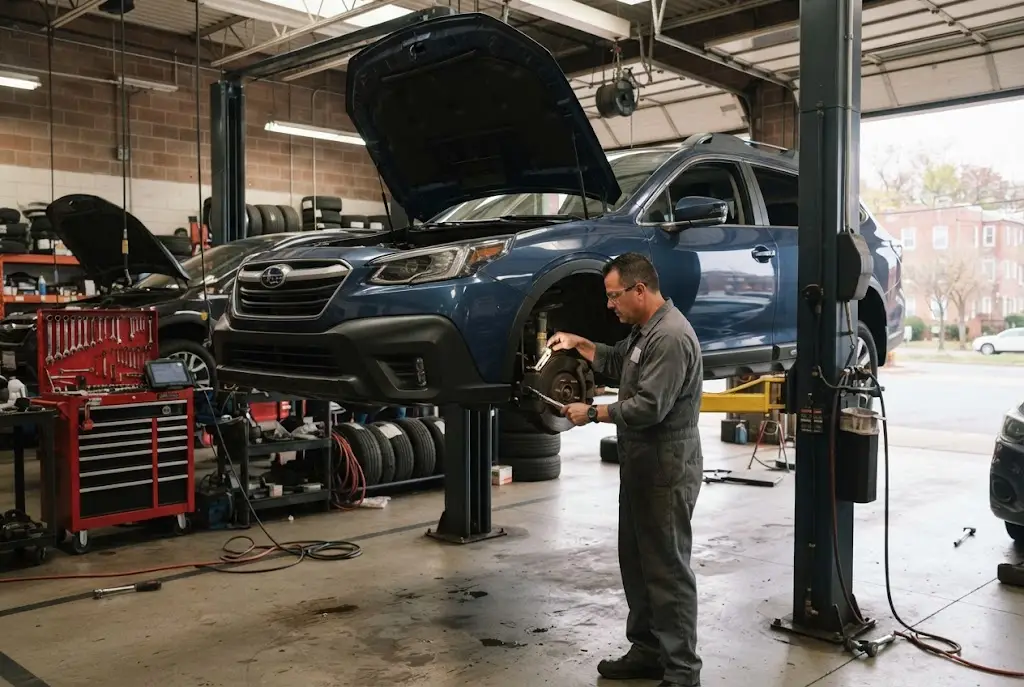
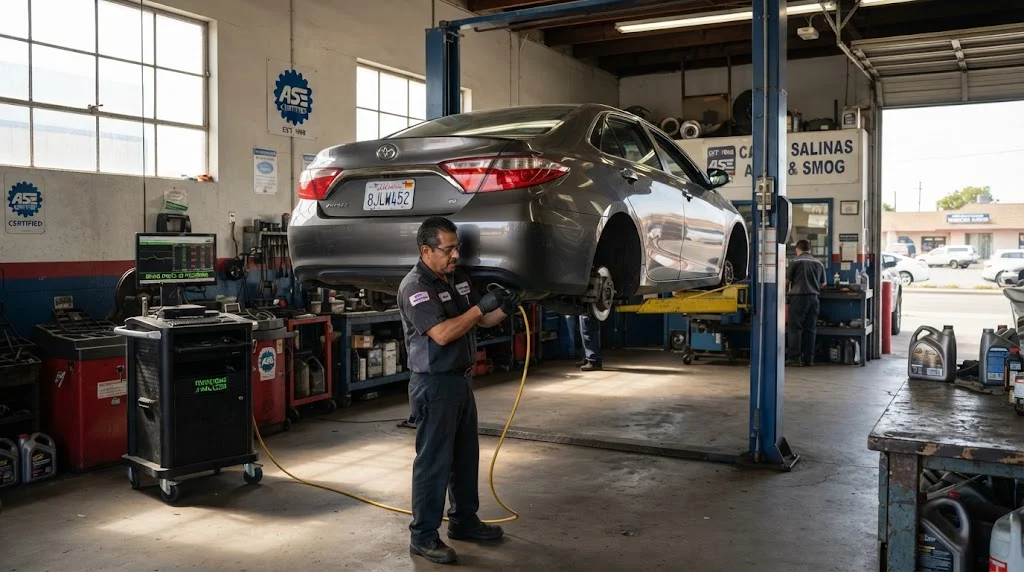
Cho’s Auto Service: Your Trusted Destination for Expert Car Care
Keeping a vehicle reliable requires more than fixing it after a breakdown. Regular maintenance, timely inspections, accurate diagnostics, and professional repairs all play a role in keeping a car ready for everyday driving.
Cho’s Auto Service is the focus of this guide for drivers researching automotive repair and maintenance. Whether your vehicle needs routine service or has developed an unfamiliar problem, understanding what to expect from an auto service center can help you make a better-informed decision.
From preventive maintenance and brake inspections to diagnostics and mechanical repairs, a professional automotive service provider can help identify developing problems and determine the appropriate next step.
What Is Cho’s Auto Service?
Cho’s Auto Service is a name associated with automotive repair and vehicle maintenance. Because similarly named automotive businesses operate in different U.S. locations, drivers should verify the exact location and business details before scheduling an appointment.
This is particularly important when searching online because names such as Cho’s Auto Service, Choe’s Auto Service, Cho’s Auto Repair, and Choi’s Auto Care can refer to different businesses. Public business directories, for example, list both a Cho’s Auto Repair in Los Angeles and a separate Choe’s Auto Service in Los Angeles.
For that reason, customers should confirm the address, telephone number, services, operating hours, and other identifying details for the specific Cho’s Auto Service they intend to visit.
Why Professional Vehicle Maintenance Matters
A vehicle’s major systems work together, and problems in one area can eventually affect other components. Preventive maintenance gives vehicle owners an opportunity to identify wear, fluid issues, warning signs, and other concerns before they become more disruptive.
Maintenance requirements vary according to the vehicle’s make, model, engine, mileage, age, driving conditions, and manufacturer recommendations. Following the maintenance schedule in the owner’s manual is therefore a better approach than relying on a single generic service interval.
A professional auto service center can complement that schedule by inspecting the vehicle when symptoms appear or when maintenance is due.
Common Auto Services Drivers May Need
Automotive service is not limited to one type of repair. Depending on the vehicle and the issue involved, drivers may need several different types of maintenance throughout the vehicle’s life.
Routine Maintenance
Routine maintenance can include services such as oil and filter changes, fluid inspections, filter replacement, battery checks, tire inspections, and other manufacturer-recommended procedures.
These relatively simple services can help vehicle owners keep track of the condition of important components and maintain a consistent service history.
The correct maintenance schedule should always be determined using the vehicle manufacturer’s recommendations and the actual operating conditions of the vehicle.
Brake Inspection and Repair
Brake performance is directly connected to vehicle safety, making brake-related symptoms worth investigating promptly.
Drivers should pay attention to warning signs such as:
- Squealing or grinding sounds
- Vibration when braking
- A soft or unusual brake pedal
- Longer stopping distances
- Pulling to one side while braking
- Brake warning lights
A brake inspection can help determine whether pads, rotors, calipers, brake fluid, or another part of the system requires attention.
Engine Diagnostics
Modern vehicles rely on electronic systems and sensors to monitor engine and emissions performance. When a warning light appears on the dashboard, diagnostic testing can help narrow down the potential cause.
A check-engine light does not automatically mean that an expensive component needs to be replaced. Several different issues can produce similar symptoms, which is why diagnosis should come before unnecessary parts replacement.
If a warning light is accompanied by severe engine performance problems, overheating, smoke, or other serious symptoms, the vehicle may require immediate attention.
Transmission Service
The transmission is responsible for transferring engine power to the vehicle’s wheels. Transmission problems can sometimes appear gradually.
Potential warning signs include:
- Delayed gear engagement
- Hard or unusual shifting
- Slipping between gears
- Unusual transmission noises
- Fluid leaks
- Difficulty selecting gears
Because transmission repairs can range from relatively simple service to major mechanical work, proper diagnosis is important before deciding what repair is necessary.
Suspension and Steering
Suspension and steering components influence how a vehicle handles the road. Worn components can affect ride quality, steering response, tire wear, and overall driving behavior.
Drivers may notice knocking sounds, excessive bouncing, uneven tire wear, steering looseness, or changes in handling when suspension or steering components begin to deteriorate.
An inspection can help determine whether the issue is related to shocks, struts, bushings, steering components, alignment, tires, or another part of the vehicle.
Battery and Starting Problems
A vehicle that struggles to start may have an issue with the battery, charging system, starter, electrical connections, or another component.
Common warning signs include slow engine cranking, dim electrical components, repeated starting difficulties, or a battery warning light.
Rather than replacing the battery immediately, a proper inspection can help identify the underlying cause.
When Should You Visit an Auto Service Center?
Drivers do not always need to wait until a vehicle breaks down before seeking professional assistance. Small changes in vehicle behavior can sometimes provide an early warning.
Consider arranging an inspection if you notice:
- New or unusual noises
- Dashboard warning lights
- Changes in braking performance
- Difficulty starting the engine
- Unusual vibrations
- Fluid leaking beneath the vehicle
- Changes in steering or handling
- Reduced engine performance
- Unexpected changes in fuel economy
- Unusual exhaust smoke or odors
Some problems can be monitored, while others require immediate attention. If the vehicle has lost significant braking ability, is overheating, has major steering problems, or presents another obvious safety concern, continuing to drive may not be appropriate.
How to Choose the Right Auto Service Provider
Choosing an automotive repair shop is an important decision, particularly when the vehicle requires a major repair. Drivers can evaluate several factors before authorizing work.
Look for Clear Communication
A reputable repair process should begin with a clear explanation of the problem. Customers should understand what was inspected, what was found, and why a particular repair has been recommended.
Ask About the Diagnosis
Before approving expensive work, ask what diagnostic findings support the recommendation. This can help distinguish an identified mechanical problem from a possible cause that still needs confirmation.
Request an Estimate
For significant repairs, ask for an estimate before authorizing the work. The estimate should explain the recommended repair and associated costs as clearly as possible.
Consider the Vehicle’s Maintenance History
Keeping records of previous repairs and maintenance can make future diagnosis easier. It can also help technicians understand which components have recently been serviced or replaced.
Verify the Business Details
Because automotive businesses can have similar names, verify that you are contacting the intended shop. Check the business name, location, phone number, website, and current operating information before making an appointment.
Questions to Ask Cho’s Auto Service Before a Repair
If you are considering Cho’s Auto Service or another automotive repair provider, a few simple questions can make the service process clearer:
- What caused the problem?
- What diagnostic testing was performed?
- Is the repair urgent?
- Which component or system requires attention?
- What is the estimated cost?
- How long is the repair expected to take?
- Are there other maintenance items that should be monitored?
- What maintenance should be completed next?
These questions are particularly useful when dealing with unfamiliar mechanical symptoms or larger repair estimates.
Preventive Maintenance Can Reduce Unexpected Problems
Preventive maintenance does not guarantee that a vehicle will never break down, but it can help owners identify wear and maintenance needs earlier.
A practical maintenance routine should include the manufacturer’s recommended services along with attention to the vehicle’s actual condition.
Drivers should routinely pay attention to fluid levels, tire condition, dashboard warnings, brake behavior, engine sounds, and other changes in vehicle performance.
Regular inspections can also make it easier to plan repairs rather than dealing with every problem as an unexpected emergency.
Cho’s Auto Service and the PixelFount Auto Services Cluster
Cho’s Auto Service is part of PixelFount’s broader Auto Services content cluster. Readers researching automotive repair can also explore related vehicle-care resources on the site.
For another automotive service topic, see Guizar Auto Service, which covers general vehicle maintenance, repairs, and smog-related services.
You can also explore C&D Auto Service for another perspective on professional vehicle care.
Additional automotive resources include Cochise Auto Service and Redhawk Auto Service in Murrieta.
These related articles allow readers to continue exploring different aspects of automotive service without relying on the same information in every article.
How to Prepare for an Auto Repair Appointment
A little preparation can make a repair appointment more productive.
Before visiting an auto service center, consider recording:
- When the problem first appeared
- What the vehicle was doing when the symptom occurred
- Whether the problem happens when the engine is cold or warm
- Whether a dashboard warning light appeared
- Any unusual noises, smells, or vibrations
- Recent repairs or maintenance
- Any recent changes in driving conditions
This information can help a technician understand the circumstances surrounding the problem and may make the diagnostic process more efficient.
Frequently Asked Questions About Cho’s Auto Service
What is Cho’s Auto Service?
Cho’s Auto Service is an automotive-service name associated with vehicle maintenance and repair. Because multiple similarly named businesses operate in the United States, customers should verify the exact location and business identity before booking service.
What should I do before booking an auto repair?
Describe the symptoms clearly, provide any relevant maintenance history, ask about the diagnostic process, and request an estimate for recommended repairs before authorizing significant work.
How often should a vehicle receive maintenance?
Maintenance intervals vary by vehicle. The owner’s manual and manufacturer-recommended maintenance schedule should be the primary reference, with adjustments based on driving conditions and vehicle condition when appropriate.
Should I ignore a check-engine light?
A check-engine light should not automatically be ignored. The urgency depends on the light and accompanying symptoms. If the vehicle is running poorly, overheating, losing power, or displaying other serious symptoms, professional attention may be needed promptly.
How can I choose a reliable auto repair shop?
Look for clear communication, appropriate diagnostic procedures, transparent estimates, relevant experience, and a service history you can understand. Also verify that the business details correspond to the exact shop you intend to visit.
Final Thoughts
Good vehicle care starts with regular maintenance and attention to changes in how a car performs. When a problem develops, accurate diagnosis and clear communication can help drivers decide what needs to be repaired and when.
For people researching Cho’s Auto Service, the most important first step is confirming the exact business location and service information because several similarly named automotive businesses exist. Once the correct shop has been identified, drivers can ask about the diagnostic process, recommended repairs, costs, and expected service time.
Whether the need involves routine maintenance, brakes, diagnostics, suspension, transmission, starting problems, or another automotive concern, informed vehicle owners are better positioned to make practical decisions about keeping their cars safe, reliable, and road-ready.