Cheyenne’s climate also makes regular vehicle care particularly important. Cold temperatures can affect battery performance and tire pressure, while snow and ice can place additional demands on tires, brakes, lights, visibility systems, and other safety components. The National Highway Traffic Safety Administration recommends checking these areas as part of winter vehicle preparation.
This guide explains the main types of auto repair services available to drivers, when to seek professional help, how to compare workshops, and how preventive maintenance can help keep a vehicle dependable.
What Does Cheyenne Auto Repair Include?
Auto repair is a broad category rather than one specific service. A modern repair shop may handle relatively simple maintenance tasks as well as complex mechanical or electronic diagnosis.
Depending on the workshop, common services can include:
- Oil and filter changes
- Brake inspection and repair
- Battery testing and replacement
- Engine diagnostics and repair
- Transmission service and repair
- Heating and air-conditioning service
- Suspension and steering repairs
- Cooling-system service
- Electrical diagnostics
- Exhaust and emissions-related repairs
- Tire and wheel services
- Factory-recommended maintenance
Not every shop offers every service, so it is important to confirm that a workshop has the equipment and technician expertise required for your particular vehicle.
Routine Maintenance vs. Auto Repair
Maintenance and repair are closely related but serve different purposes.
Routine maintenance is planned work intended to keep vehicle systems operating properly. It can include scheduled inspections, fluid services, filter replacement, tire checks, and other manufacturer-recommended tasks.
Repair generally addresses a fault, damaged component, abnormal symptom, or system that is no longer operating correctly.
Preventive maintenance is valuable because it can identify developing problems before they become larger failures. It also gives technicians an opportunity to inspect components that may not produce an obvious warning until the problem becomes more serious.
Common Cheyenne Auto Repair Services
Brake Service and Repair
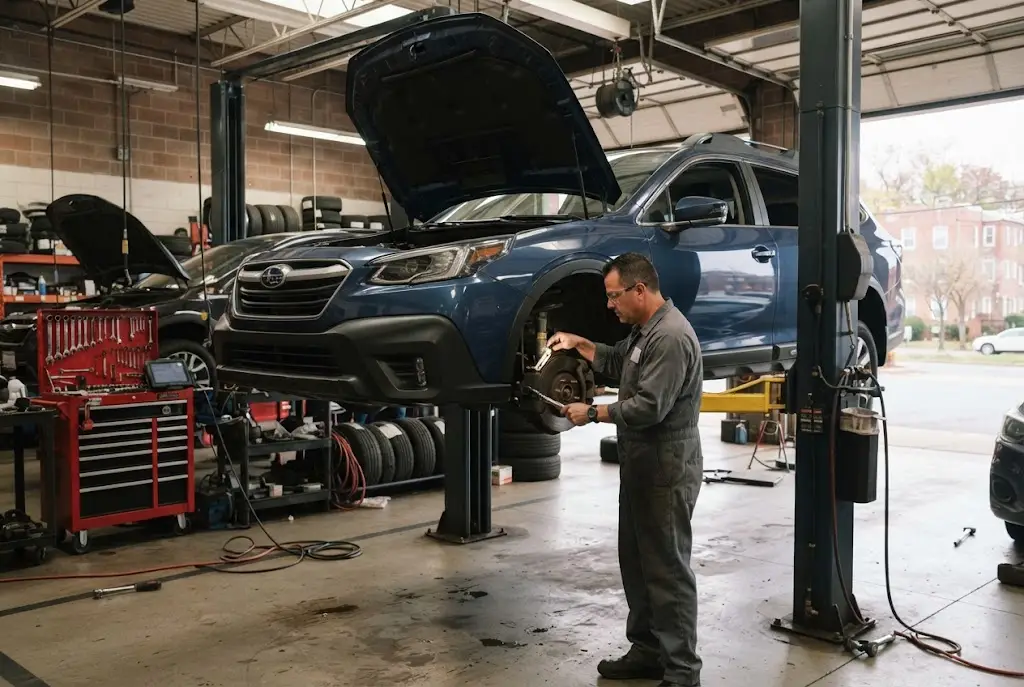
Brakes are among the most important safety systems on a vehicle. Warning signs can include unusual noises, vibration during braking, a soft or unusual pedal feel, or a brake warning indicator.
A professional inspection can determine whether the issue involves pads, rotors, calipers, hydraulic components, sensors, or another part of the braking system.
Do not continue driving normally when a serious brake problem is suspected. A qualified technician should assess the vehicle and determine whether it is safe to operate.
Engine Diagnostics and Repair
Modern vehicles use numerous electronic sensors and control systems. A check-engine light therefore does not automatically identify one particular failed component.
Proper diagnosis involves interpreting the vehicle’s symptoms and diagnostic information rather than immediately replacing parts. A professional workshop can determine whether the underlying issue relates to the engine, emissions system, ignition, fuel delivery, sensors, wiring, or another component.
Transmission Service
Transmission problems can appear as slipping, delayed engagement, unusual noises, fluid leaks, harsh shifting, or difficulty selecting gears.
Because transmission problems can become expensive when ignored, unusual behavior should be investigated rather than dismissed as normal aging.
Transmission service requirements vary significantly between vehicles, so owners should follow the manufacturer’s recommendations and use the correct fluid and service procedure.
Battery and Electrical Service
Battery problems can become particularly noticeable during cold weather. NHTSA notes that lower temperatures reduce battery power, while gasoline and diesel engines require more battery power to start in cold conditions.
Electrical diagnosis can involve the battery, alternator or charging system, starter, wiring, fuses, sensors, lighting, or other electronic components.
If a vehicle repeatedly needs a jump-start, replacing the battery without identifying the reason may not solve the problem. The charging system and electrical condition should also be evaluated.
Heating and Air-Conditioning Service
Comfort systems are useful throughout the year in Wyoming. Heating problems can become especially important during cold weather, while air-conditioning faults can make summer driving uncomfortable.
Heating and cooling problems can involve several components, including refrigerant systems, compressors, blower components, belts, electrical controls, coolant circulation, or other related systems.
A professional diagnosis is preferable to guessing which component needs replacement.
Suspension and Steering
Suspension and steering components influence how a vehicle handles bumps, corners, and changes in direction.
Signs that warrant inspection can include unusual noises, excessive bouncing, uneven tire wear, steering vibration, pulling, or a noticeable change in handling.
Because suspension, steering, and tires interact, a workshop should consider the whole system rather than automatically replacing one component based on a single symptom.
Cooling-System Service
The cooling system helps regulate engine temperature. Problems involving coolant, hoses, radiators, thermostats, water pumps, or other components can eventually lead to overheating.
An overheating engine should not simply be driven until the warning disappears. Continued operation under excessive temperature can result in much more serious damage.
When servicing the cooling system, use the coolant specification recommended by the vehicle manufacturer.
Why Diagnostics Matter in Modern Vehicles
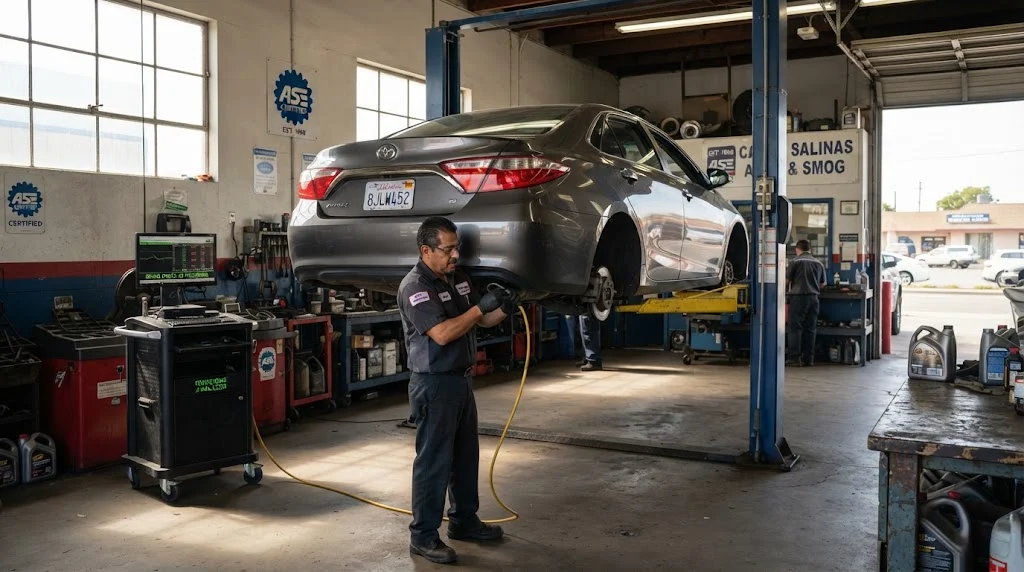
Modern vehicles are increasingly dependent on electronic control systems. That means an automotive technician may need diagnostic scanners, electrical testing equipment, manufacturer-specific information, and technical knowledge in addition to conventional mechanical tools.
A diagnostic trouble code is useful information, but it is not always the same thing as a diagnosis. The code can point technicians toward a system or condition that needs further testing.
A good repair process should therefore identify the underlying cause before unnecessary parts are replaced.
Cheyenne Auto Repair and Winter Vehicle Preparation
Winter deserves particular attention for drivers in Cheyenne. NHTSA recommends checking tires, battery condition, lights, windshield wipers, defrosters, and the cooling system before winter driving.
Check Tire Pressure
Cold temperatures can reduce tire inflation pressure. NHTSA recommends checking tires when they are cold and using the vehicle manufacturer’s recommended pressure rather than the maximum pressure printed on the tire sidewall.
Inspect the tread and sidewalls for damage as well. If you notice cuts, bulges, cracks, punctures, or other concerns, have the tire evaluated by a qualified professional.
Inspect the Battery
A weak battery can become more obvious when temperatures fall. If the engine is cranking slowly or the vehicle requires repeated jump-starts, have the battery and charging system tested.
Check Lights and Visibility
Headlights, brake lights, turn signals, emergency flashers, windshield wipers, washer fluid, and defrosters all contribute to visibility and communication with other drivers.
NHTSA recommends checking these systems before winter weather arrives.
Review the Cooling System
Cold weather does not eliminate the need for cooling-system maintenance. Check coolant condition and level according to the manufacturer’s recommendations and investigate visible leaks or other abnormalities.
How to Choose an Auto Repair Shop in Cheyenne
There are multiple automotive repair businesses in Cheyenne, ranging from independent garages to larger service networks and specialists. The best choice depends on the work required.
When comparing workshops, consider the following factors.
Experience With Your Vehicle
Ask whether the shop regularly services your make, model, engine type, or drivetrain. Experience can be particularly important for newer vehicles, hybrids, EVs, diesel vehicles, and cars with complex electronic systems.
Diagnostic Equipment
For modern vehicles, appropriate diagnostic equipment can make a substantial difference. Ask whether the workshop has the tools required for the problem you are experiencing.
Clear Estimates
Before approving significant work, ask what the estimate includes. Clarify labor, parts, diagnostic charges, fluids, taxes, and any additional services that may be required.
Parts Policy
Ask whether the shop uses original equipment, manufacturer-approved, or aftermarket parts where applicable. The right choice can depend on the vehicle, component, budget, and repair requirements.
Warranty or Guarantee
For larger repairs, ask whether the labor and replacement parts are covered by a warranty or guarantee and understand the terms before authorizing the work.
Documentation
A detailed invoice and service record can be useful long after the repair has been completed. Documentation helps you track maintenance and gives future technicians information about previous work.
When Should You Visit a Mechanic?
Not every unusual noise requires an emergency appointment, but ignoring persistent symptoms can allow a relatively manageable issue to develop into a more expensive repair.
Arrange an inspection when you notice:
- New or unusual engine noises
- Warning lights that remain illuminated
- Repeated battery failures
- Fluid leaks
- Brake noise or changes in pedal behavior
- Steering vibration or pulling
- Unusual tire wear
- Engine overheating
- Transmission slipping or harsh shifting
- Reduced vehicle performance
- Persistent exhaust or fuel odors
- Heating or air-conditioning failures
Some symptoms require more urgent attention than others. A serious brake, steering, overheating, fuel, or electrical problem should not be treated as a routine inconvenience.
What to Do Before Taking Your Vehicle to a Shop
You can make diagnosis easier by recording what happens before visiting the workshop.
- Note when the problem occurs: Record whether it happens during cold starts, acceleration, braking, turning, highway driving, or idling.
- Record warning lights: Note which warning indicators appear and whether they remain on.
- Describe unusual sounds: Try to identify whether a sound is a squeal, click, knock, grinding noise, humming, or vibration.
- Check for visible leaks: Tell the technician if you have noticed fluid under the vehicle.
- Bring service records: Previous repairs can provide useful diagnostic context.
- Explain recent changes: Mention recent maintenance, repairs, accidents, modifications, or parts replacement.
Specific information can help a technician reproduce the problem and reduce unnecessary diagnostic time.
Independent Garage or Specialist?
An independent garage can be an excellent choice for routine maintenance and many common repairs. A specialist may be more appropriate when the problem involves a particular transmission, vehicle brand, advanced electrical system, diesel system, hybrid technology, EV high-voltage system, or another specialized area.
The important question is not whether a workshop is independent or part of a larger network. The important question is whether it has the right skills, equipment, information, and experience for the repair you need.
Modern Vehicles Require Modern Service Knowledge
Automotive technology continues to change. Hybrid and electric vehicles introduce different powertrain and high-voltage considerations, while modern gasoline and diesel vehicles increasingly depend on sophisticated electronics and computerized control systems.
Before booking specialized work, ask whether the technicians are trained for your vehicle’s technology and whether the workshop has the appropriate diagnostic equipment.
This is particularly important when dealing with high-voltage systems. Work involving EV or hybrid electrical components should be handled by appropriately trained professionals using suitable safety procedures.
Compare Repair Costs Carefully
Price is naturally important, but comparing only the final dollar amount can be misleading.
Two workshops can provide different estimates because they may recommend different parts, diagnostic procedures, labor times, or repair scopes. One estimate may also include services that another excludes.
When comparing quotes, ask:
- What exactly is being repaired?
- Which parts are included?
- Are diagnostic charges included?
- Is labor included?
- Are fluids or consumables included?
- Will additional work require approval?
- What warranty applies to the repair?
A transparent estimate makes it easier to compare value rather than simply choosing the lowest initial number.
Related Auto Service Resources
Drivers researching automotive repair topics can continue exploring Pixel Fount’s related coverage. The Guizar Auto Service guide focuses on reliable vehicle maintenance and car-care considerations.
You can also read about C&D Auto Service for another perspective on automotive service and vehicle care.
For another related provider-focused topic, the Cho’s Auto Service guide looks at expert car-care services and the factors drivers can consider when evaluating automotive providers.
Frequently Asked Questions About Cheyenne Auto Repair
What services do auto repair shops in Cheyenne offer?
Services vary by workshop but commonly include routine maintenance, oil changes, brakes, diagnostics, batteries, suspension, steering, engine work, transmissions, heating and air conditioning, cooling systems, tires, and electrical repairs.
How often should I service my vehicle?
Follow the maintenance schedule provided by your vehicle manufacturer. Service intervals can vary according to the vehicle, engine, mileage, operating conditions, and manufacturer’s recommendations.
Why is winter maintenance important in Cheyenne?
Cold weather can affect battery performance and tire pressure, while snow and ice increase the importance of good tires, brakes, lighting, visibility, and vehicle preparation. NHTSA recommends checking several of these systems before winter driving.
How do I know if a mechanic is right for my vehicle?
Ask about experience with your make and model, diagnostic equipment, technician training, parts policy, estimates, warranties, and previous experience with the type of repair you need.
Should I choose a dealer or an independent repair shop?
Neither is automatically the best option. An authorized workshop may be useful for manufacturer-specific work, while an experienced independent shop can be an excellent option for routine servicing and many repairs. Match the workshop’s capabilities to your vehicle and repair requirements.
Should I repair a warning light immediately?
A persistent warning light should not simply be ignored. The urgency depends on the warning and accompanying symptoms. If a warning indicates a serious safety or mechanical problem, stop driving when it is safe to do so and seek professional assistance.
What should I keep after an auto repair?
Keep the invoice, parts and labor information, diagnostic findings where available, warranty details, and service records. This documentation can help with future maintenance and diagnosis.
Final Thoughts
Cheyenne auto repair and services cover a wide range of vehicle needs, from routine maintenance to complex diagnostics and major repairs. The most effective approach is to treat maintenance as an ongoing part of vehicle ownership rather than waiting for a breakdown.
For Cheyenne drivers, seasonal preparation deserves additional attention. Check tires, battery condition, lights, visibility equipment, and cooling systems before demanding winter conditions arrive, and follow the maintenance recommendations for your specific vehicle.
When a repair is needed, choose a workshop based on technical capability, communication, equipment, transparency, and experience with your vehicle rather than price alone. Keeping accurate service records and addressing unusual symptoms early can also make future maintenance easier and help keep your vehicle dependable for the road ahead.