Discover Lucrative Sports Jobs in Ohio That Elevate Your Career Today!
For people who love athletics but do not necessarily want to become professional athletes, sports jobs in Ohio can provide a wide range of career paths. The state’s sports ecosystem includes professional teams, colleges and universities, schools, fitness organizations, athletic facilities, healthcare providers, event venues, and businesses that support the sports industry.
Sports careers also extend far beyond coaching. Depending on your education and experience, you can pursue opportunities in athletic training, sports medicine, fitness, marketing, communications, analytics, facility operations, event management, ticketing, sales, and administration.
Ohio’s current labor-market information also highlights several sports-related occupations, including athletic trainers, exercise trainers and group fitness instructors, recreation supervisors, and physical therapists. Current school athletic listings demonstrate that coaching opportunities continue to appear across the state.
Why Consider Sports Jobs in Ohio?
Ohio offers a diverse environment for people who want to build careers around athletics. Large metropolitan areas, college communities, school districts, recreation programs, fitness businesses, and sports facilities all contribute to the state’s employment landscape.
Another advantage is the variety of career levels available. Someone entering the industry may begin with an internship, seasonal position, assistant coaching role, event position, or fitness job, while experienced professionals can pursue management, athletic administration, sports medicine, marketing leadership, or operations positions.
The right opportunity ultimately depends on your qualifications, location, experience, and preferred area of the sports industry.
Types of Sports Jobs in Ohio
One of the biggest advantages of pursuing a sports career is the number of different professional functions that support athletes, teams, facilities, and fans.
1. Coaching Jobs
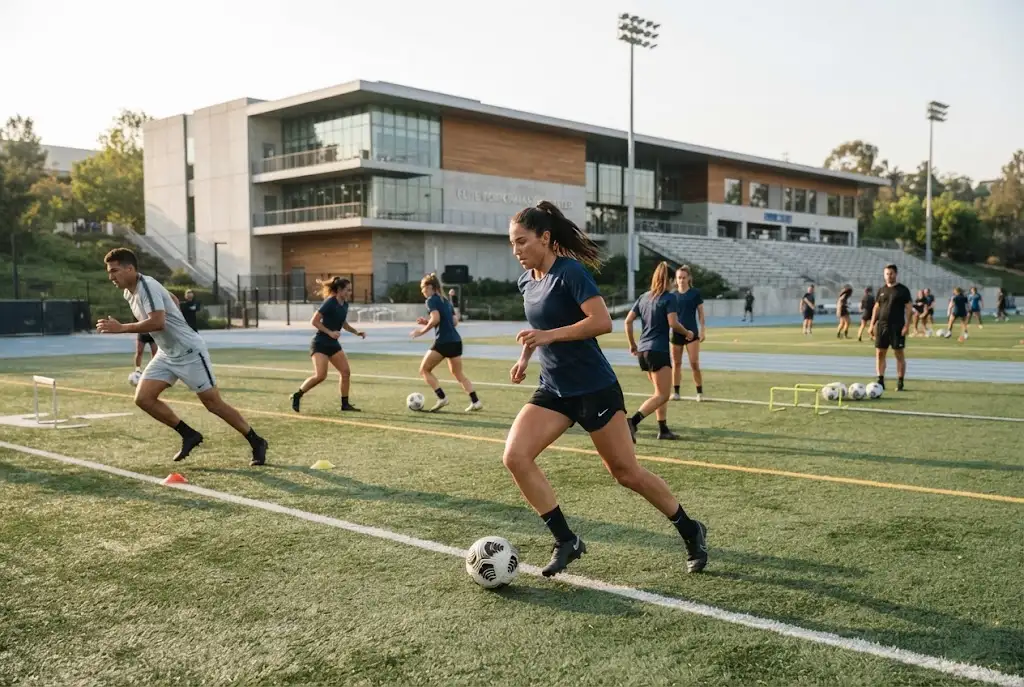
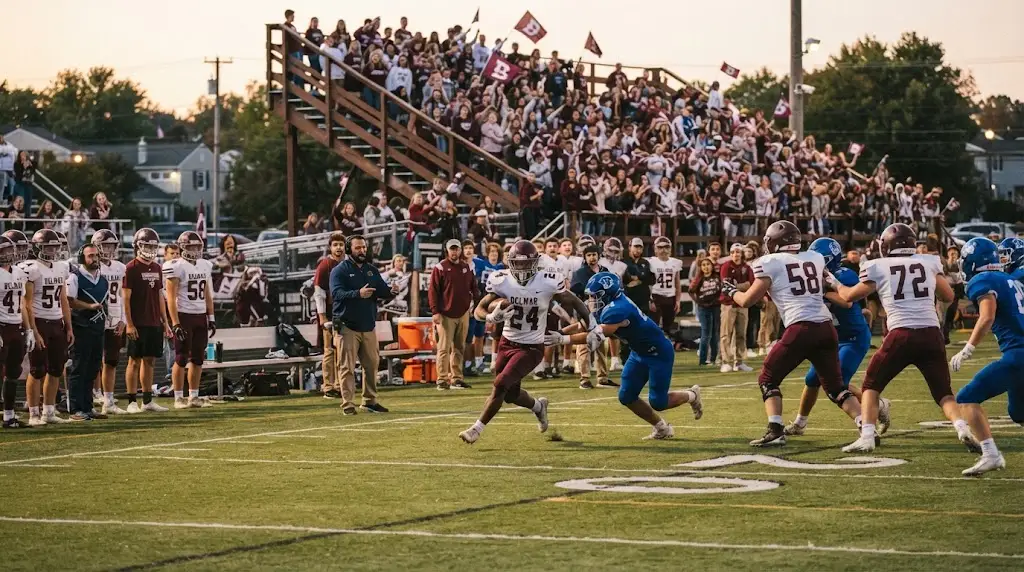
Coaching is one of the most visible sports career paths. Ohio schools and athletic programs regularly recruit coaches for sports ranging from football and basketball to swimming, baseball, softball, wrestling, tennis, lacrosse, bowling, gymnastics, and track and field.
Coaching positions can range from entry-level assistant roles to varsity head coach and specialized strength-and-conditioning positions. Requirements vary by employer and level, and some Ohio school positions require or prefer specific coaching credentials and background checks.
If you enjoy developing athletes, organizing practices, communicating with families, and building a team culture, coaching may be a strong career direction.
2. Athletic Training and Sports Medicine
Athletic trainers and other sports-health professionals play an important role in athlete care. Their work can involve injury prevention, evaluation, rehabilitation support, conditioning, and collaboration with healthcare professionals.
Sports medicine careers can extend beyond traditional teams. Healthcare organizations, colleges, schools, rehabilitation facilities, and performance centers may all require professionals with appropriate education and credentials.
3. Fitness and Exercise Careers
Fitness professionals can work in gyms, recreation centers, athletic facilities, private training businesses, and wellness organizations.
Ohio labor-market data identifies exercise trainers and group fitness instructors as a sports-related occupational category, demonstrating that the broader sports economy includes fitness careers as well as team-based positions.
For people interested in exercise science, personal training, strength and conditioning, or group fitness, this can provide an alternative route into the sports industry.
4. Sports Marketing and Communications
Sports organizations need professionals who can attract fans, communicate with communities, promote events, manage digital channels, develop partnerships, and strengthen brand visibility.
Sports marketing can include social media, content creation, public relations, sponsorship activation, advertising, email marketing, community relations, and fan engagement.
This path can be especially attractive for candidates who enjoy sports but have stronger skills in marketing, writing, communications, design, or digital media.
5. Sports Analytics
Data has become an important part of modern sports operations. Teams and organizations use information to evaluate performance, understand audiences, improve operations, and make better decisions.
Sports analytics careers can therefore suit people with backgrounds in statistics, data analysis, computer science, business intelligence, or related fields.
Professionals who can combine technical skills with an understanding of sports can potentially differentiate themselves in a competitive job market.
6. Sports Operations and Administration
Behind every successful athletic organization are professionals responsible for schedules, facilities, equipment, logistics, compliance, staffing, budgets, communications, and day-to-day administration.
These roles may be found within schools, colleges, professional organizations, recreation programs, athletic facilities, and event companies.
7. Sports Event Management
Sports events require significant planning and coordination. Event professionals may work on scheduling, venue preparation, staffing, guest services, security coordination, ticketing, sponsorship activation, transportation, and other operational requirements.
If you enjoy fast-paced environments and are comfortable solving problems under pressure, sports event management can be an appealing career path.
Sports Jobs in Ohio: What the Current Job Market Shows
Current employment information provides a useful reminder that the sports industry should not be measured only by professional team vacancies.
Ohio’s labor-market information for sports-related occupations lists athletic trainers, exercise trainers and group fitness instructors, first-line supervisors of entertainment and recreation, and physical therapists among relevant occupations. The published data includes annual median wages and projected annual openings for these roles.
At the same time, current sports job listings show opportunities across professional sports organizations, sports facilities, event businesses, internships, security, guest experience, operations, retail, and other supporting functions.
This broader view is important for job seekers because many sports careers exist outside the playing field.
Education and Qualifications for Sports Careers
The qualifications required for sports jobs in Ohio vary considerably by occupation.
Coaching
School coaching positions may require specific certifications, permits, training courses, background checks, or previous coaching experience. Requirements can differ by school district and position.
Athletic Training
Athletic training is a specialized healthcare profession, so candidates should research the applicable education, certification, and licensing requirements for the role and employer.
Sports Management
A degree in sports management, business, communications, marketing, hospitality, or a related discipline can be useful for administrative and commercial positions.
Analytics
Sports analytics roles may favor candidates with skills in statistics, data visualization, spreadsheets, databases, programming, or business intelligence.
Fitness
Fitness positions may require industry certifications depending on the employer and specific responsibilities. Candidates should verify current requirements before applying.
How Internships Can Help You Enter the Sports Industry
Breaking into sports can be challenging because many desirable positions attract candidates who already have relevant experience. Internships can help bridge that gap.
An internship can provide exposure to real workplace processes while allowing candidates to develop practical skills and professional relationships.
Useful internship areas include:
- Sports marketing
- Social media
- Event operations
- Ticketing and sales
- Athletic administration
- Fitness and performance
- Sports analytics
- Communications and public relations
Even when an internship does not immediately lead to a permanent position, the experience can strengthen your resume and help you understand which part of the industry fits your goals.
Build Experience Through Local Sports Organizations
Not every useful experience has to come from a major professional franchise. Local schools, community recreation programs, amateur organizations, fitness facilities, and athletic complexes can provide valuable opportunities to develop practical skills.
For example, understanding how a sports facility operates can provide useful exposure to event management, customer service, facility coordination, scheduling, and athletic programming. You can also explore related sports environments through our coverage of sports complex and athletic facility experiences.
Why Networking Matters in Sports Careers
Networking is especially valuable in competitive industries. Building relationships with coaches, athletic directors, trainers, marketing professionals, event managers, facility operators, and other industry professionals can help you learn about opportunities and understand employer expectations.
Networking does not have to mean attending expensive conferences. It can begin with volunteering, local sports events, professional associations, alumni networks, internships, community programs, and thoughtful professional outreach.
The goal is to build genuine relationships rather than simply asking everyone you meet for a job.
Technology Is Changing Sports Careers
Technology has become increasingly important across the sports industry. Organizations use digital platforms, performance tracking systems, analytics tools, ticketing software, social media, customer relationship systems, video analysis, and other technologies.
This creates opportunities for professionals who can combine sports knowledge with technical skills.
For example, someone with a background in data analytics can apply those skills to sports performance or business operations. A digital marketer can specialize in fan engagement. A software professional can work on sports technology platforms. A content creator can build media around teams, athletes, and events.
The result is a sports employment landscape that increasingly includes careers for people whose primary degree may not be in sports.
How to Find Sports Jobs in Ohio
A successful job search should combine several approaches rather than relying on one job board.
Search Team and Organization Websites
Professional teams, colleges, schools, athletic departments, recreation organizations, and sports businesses may publish vacancies directly on their websites.
Check School Athletic Job Listings
Ohio school athletic programs can be an important source of coaching opportunities. Candidates should review the requirements carefully because certification, background checks, and other qualifications may apply.
Use Sports-Specific Job Platforms
Sports-focused job boards can help candidates discover internships, operations positions, marketing roles, event jobs, and other opportunities that may not appear prominently on general employment websites.
Build a Targeted Resume
A generic resume may not communicate your sports-industry value effectively. Tailor your resume to emphasize relevant achievements, certifications, leadership, event experience, athlete development, marketing results, analytics projects, or operational responsibilities.
How to Make Your Sports Resume More Competitive
Your resume should show employers what you can actually contribute.
Instead of simply writing that you “worked in marketing,” explain the campaigns you supported, platforms you used, audiences you reached, or measurable outcomes you contributed to.
For coaching roles, highlight athlete development, team responsibilities, relevant certifications, leadership experience, and sport-specific knowledge.
For analytics positions, include technical tools, projects, datasets, dashboards, or analytical methods you have used.
For event positions, emphasize planning, logistics, customer service, staffing, scheduling, and problem-solving experience.
Sports Careers Beyond Professional Teams
One common mistake is assuming that a sports career requires employment by an NFL, NBA, MLB, NHL, MLS, or major college organization.
The sports ecosystem is much broader.
Career opportunities can exist in:
- High schools
- Colleges and universities
- Community recreation
- Fitness centers
- Healthcare organizations
- Sports facilities
- Event companies
- Sports technology businesses
- Marketing agencies
- Sports media
- Equipment companies
- Nonprofit sports organizations
This wider perspective can significantly expand your potential job search.
What Makes a Strong Candidate?
Successful candidates usually bring more than enthusiasm for sports. Employers need people who can perform the actual responsibilities of the position.
Depending on the role, valuable qualities can include:
- Strong communication skills
- Leadership ability
- Organization and time management
- Customer service
- Problem-solving
- Technical competence
- Data literacy
- Marketing knowledge
- Teamwork
- Adaptability
Passion for sports can help you stay motivated, but professional skills are what allow you to create value for an employer.
Consider Different Sports Career Paths
If you are unsure which direction to take, compare your interests with the type of work you actually enjoy.
If you like teaching and leadership, coaching may be a natural fit. If you enjoy science and health, athletic training or sports medicine may be worth investigating. If you enjoy business and communication, sports marketing or sales could be a better match. If you prefer numbers and technology, analytics may provide a stronger path.
You can also explore different perspectives on sports participation and activity through our article about non-competitive sports and recreational activity.
Frequently Asked Questions About Sports Jobs in Ohio
What are some sports jobs available in Ohio?
Sports-related careers in Ohio include coaching, athletic training, fitness instruction, sports medicine, marketing, communications, analytics, event management, facility operations, administration, sales, and other supporting roles.
Do I need a sports management degree to work in sports?
No. The required education depends on the position. Marketing, business, healthcare, data analytics, communications, technology, and other educational backgrounds can all lead to sports-industry careers.
Are there coaching jobs in Ohio?
Yes. Ohio athletic programs regularly advertise coaching opportunities across different sports and school levels. Requirements vary by position and organization.
What sports jobs can I get without playing professionally?
Many sports careers do not require professional playing experience. Examples include marketing, event management, athletic administration, coaching, analytics, fitness, sports medicine, communications, ticketing, facility operations, and customer experience.
Are sports jobs in Ohio only available in major cities?
No. Sports-related opportunities can exist in metropolitan areas as well as smaller communities through schools, colleges, recreation programs, fitness organizations, healthcare providers, and athletic facilities.
How can I get my first sports job?
Start by identifying a specific career area, build relevant skills, gain experience through internships or volunteering, tailor your resume, network with professionals, and apply directly to organizations that match your interests.
Final Thoughts
Sports jobs in Ohio offer far more variety than many job seekers initially realize. Coaching is only one part of the industry, with opportunities also available across athletic training, fitness, healthcare, marketing, communications, analytics, operations, administration, and event management.
The strongest strategy is to identify the type of work you want to perform, develop the qualifications employers expect, gain practical experience, and build relationships within the sports community.
Ohio’s current sports-related employment data and active athletic job listings demonstrate that opportunities exist across multiple occupational categories. Instead of waiting for a perfect opening, build a targeted career strategy and continually strengthen the skills that make you valuable to sports organizations.
If you are ready to pursue a career connected to athletics, start by researching organizations, identifying suitable roles, and creating applications specifically tailored to the sports jobs in Ohio that match your skills.