Whether the goal is structured training, recreational activity, team practice, or simply staying active, a modern sports complex can bring several elements of an athletic lifestyle together in one location. From sports surfaces and practice areas to supporting amenities, the overall environment can influence how athletes prepare and perform.
What Is the Massarelli Sports Complex?
The Massarelli Sports Complex is associated with the broader concept of a dedicated athletic destination where sports participants can practice, train, compete, and participate in recreational activities.
Sports complexes serve an important role because they can accommodate different types of users. Competitive athletes may need structured practice environments, while recreational players may be looking for convenient places to participate in their favorite activities. Families and younger athletes can also benefit from facilities that encourage regular physical activity.
The exact experience available at any sports complex depends on its facilities, programs, scheduling, and management. Visitors should therefore check current availability and facility information before planning a specific activity.
Why Sports Complexes Matter for Athletic Development
Consistent access to suitable training environments is an important part of athletic development. Athletes need opportunities to repeat skills, build conditioning, work with teammates, and become familiar with competitive environments.
A dedicated sports facility can provide a structured setting that supports these goals. Regular practice can help athletes establish routines while coaches and teams can organize sessions around specific training objectives.
Modern sports facilities may also support multiple stages of development, from introductory participation to more advanced competitive training.
Training in a Dedicated Athletic Environment
Training in an environment designed specifically for sports can make sessions more organized and focused. Instead of adapting an ordinary outdoor or indoor space, athletes can use facilities designed around the requirements of particular activities.
Depending on the sport and facility, training may involve technical drills, conditioning, agility exercises, tactical practice, or team-based activities.
The quality of the training experience also depends on factors such as surface condition, lighting, equipment, scheduling, cleanliness, and safety procedures.
Sports, Fitness, and Recreation
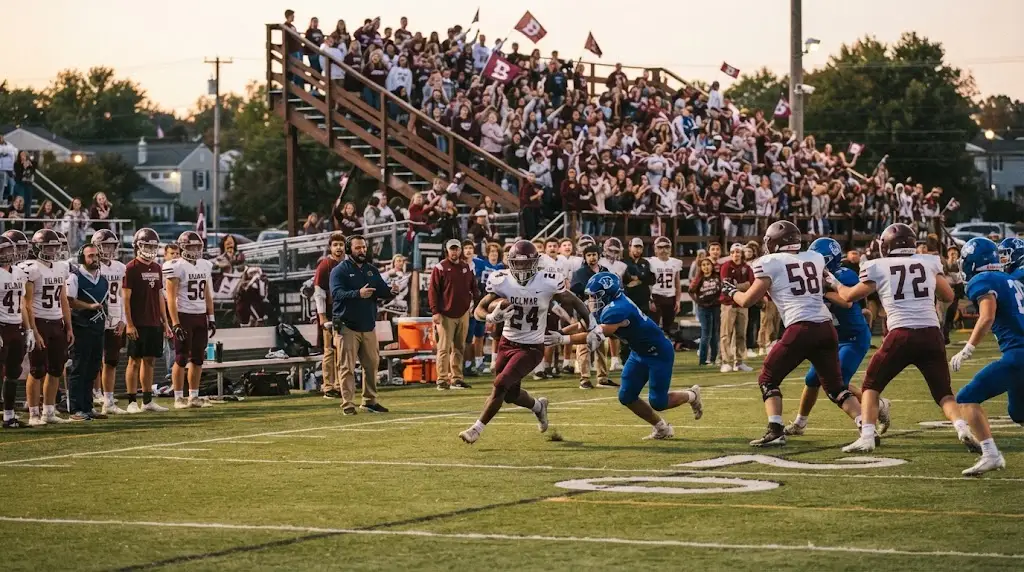
A sports complex can serve more than competitive athletes. Recreational sports provide an accessible way for people to remain physically active while enjoying social interaction and organized activities.
Regular participation in sports can support an active lifestyle by combining movement with skill development and social engagement. For children and young athletes, organized sports can also introduce discipline, teamwork, communication, and goal-setting.
For adults, recreational activities can provide a practical alternative to traditional workouts while still encouraging consistent physical activity.
What Makes an Athletic Facility Useful?
A successful athletic facility typically depends on several factors working together. The physical sports environment is only one part of the overall experience.
Quality Playing and Training Areas
Appropriate playing surfaces and well-maintained training areas help athletes practice with greater consistency. Different sports require different surfaces and dimensions, making facility design an important consideration.
Equipment and Supporting Amenities
Useful supporting amenities can make training sessions more convenient. Depending on the facility, these may include changing areas, seating, equipment storage, rest areas, or spaces for coaches and teams.
Scheduling and Organization
Good scheduling is particularly important when a facility serves multiple teams and user groups. Organized booking systems can help reduce conflicts and make it easier for athletes to plan regular training sessions.
Safety and Maintenance
Sports involve physical activity and, depending on the activity, a certain level of risk. Proper maintenance, suitable equipment, clear facility rules, and appropriate supervision can all contribute to a safer environment.
Supporting Young Athletes
Sports facilities can play an important role in youth development. Young athletes benefit from opportunities to practice regularly and participate in organized activities.
A dedicated athletic environment can also help children become more comfortable with teamwork and competition. Coaches and parents can use structured sessions to encourage fundamentals, sportsmanship, consistency, and gradual skill development.
The most effective approach is usually one that balances performance goals with enjoyment, age-appropriate training, and healthy participation.
Preparing for a Visit to a Sports Complex
Before visiting the Massarelli Sports Complex or another athletic facility, it is useful to confirm the details of the activity you plan to attend.
- Check current operating hours and schedules.
- Confirm whether advance booking is required.
- Ask about membership or admission requirements.
- Verify which sports and facilities are currently available.
- Bring appropriate sports clothing and footwear.
- Check whether equipment is provided or must be brought separately.
- Review any facility-specific rules before arrival.
Planning ahead can make the experience more convenient, particularly when visiting with a team or participating in a scheduled training session.
How to Get More From Your Training Sessions
Having access to a sports facility is only one part of athletic improvement. Athletes can make better use of training time by arriving prepared and establishing clear objectives for each session.
Warm-ups, mobility work, technical drills, conditioning, and recovery can all play different roles depending on the sport. Athletes should also pay attention to hydration, rest, nutrition, and appropriate recovery between demanding sessions.
Consistency is often more useful than occasional intense training. A realistic schedule allows athletes to develop skills while giving the body adequate time to recover.
The Role of Teams and Community
Sports complexes can become important community spaces because they bring athletes, coaches, families, and recreational participants together.
Team practices and organized events create opportunities for people with similar interests to connect. For young players in particular, team environments can provide experiences that extend beyond physical performance.
Community-focused athletic facilities can therefore contribute to a broader culture of participation, fitness, and organized sport.
Choosing the Right Sports Facility
When comparing sports complexes, consider the activities you actually plan to use rather than focusing only on the size of the facility. A large complex is not automatically the right fit if it does not offer the appropriate sport, schedule, location, or training environment.
Consider the following factors:
- Available sports and activities
- Training and practice schedules
- Facility condition and maintenance
- Accessibility and location
- Membership or booking requirements
- Coaching and training programs
- Family and youth options
- Safety policies and facility rules
These factors can help athletes and families choose a facility that fits their particular needs.
Final Thoughts
The Massarelli Sports Complex represents the idea of a dedicated athletic destination where sports participation, training, recreation, and community can come together. For athletes, access to an appropriate training environment can support regular practice and skill development, while recreational users can benefit from opportunities to stay active and participate in organized sports.
Before visiting, confirm the facility’s current programs, schedules, availability, and requirements. With the right preparation and consistent participation, a quality sports environment can become an important part of an active lifestyle.
For broader sports and recreation topics, readers can also explore our coverage of athletic experiences, outdoor sporting activities, and other lifestyle and recreation resources on Pixelfount.