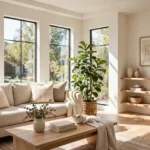
Good home staging tips do not require a designer, a warehouse of rented furniture or a big budget. Staging is really about one thing: helping a buyer walk through the door and picture their own life in the space within the first few seconds. When a home feels clean, bright and easy to live in, buyers stop hunting for faults and start imagining where the sofa goes. These practical home staging tips will help your house sell faster, whether you are working with an agent or handling the sale yourself.
Start With a Ruthless Declutter
Clutter is the single biggest staging mistake because it makes every room feel smaller and tells buyers the home lacks storage. Work room by room and remove at least a third of what is visible: clear kitchen counters down to two or three items, empty the tops of wardrobes, and box up personal collections, family photos and anything that shouts someone else lives here. You are not erasing your personality forever; you are packing early for a move you want to happen. Renting a small storage unit for a few weeks is usually cheaper than a price reduction later.
Deep Clean Like a Hotel Would
Buyers notice grime in the places owners stop seeing: grout lines, oven glass, window tracks, skirting boards and the inside of the fridge. A staged home should smell neutral, shine under bright light and feel cared for. Wash windows inside and out, because clean glass can transform how much daylight a room gets. If carpets carry years of wear, a professional clean is one of the highest-return spends in any staging budget. Pay special attention to bathrooms and the kitchen, the two rooms buyers inspect most closely and judge most harshly.
Do not overlook the entrance and the hallway while you clean. These are the first interior spaces a buyer experiences, and they set the emotional tone for everything that follows. A spotless hallway with a clear floor, a working bulb in every fitting and a door that opens smoothly tells buyers the whole home has been treated with the same care, long before they reach the rooms you spent the most time on.
Let Light Do the Heavy Lifting
Bright homes feel bigger, warmer and more valuable. Open every curtain and blind before a viewing, replace dim or mismatched bulbs with warm-white bulbs of the same tone, and add a lamp to any corner that stays in shadow. Mirrors placed opposite windows bounce daylight deeper into a room and cost very little second-hand. If a room faces north or has small windows, pale wall colours and light-coloured throws and cushions will lift it further. Among all home staging tips, this is the one that changes photographs the most, and photographs are what sell the viewing in the first place.
Arrange Furniture for Flow, Not for Storage
Many sellers push furniture against the walls to make a room look bigger, but that often leaves an awkward empty middle and no clear purpose. Instead, group furniture into conversational arrangements that show how the room is meant to be used, and leave obvious walking paths between them. Remove any piece that blocks a doorway, a window or a natural route through the room. In a spare bedroom that has become a dumping ground, stage it as a bedroom or borrow from the ideas in our guide to setting up a productive home office workspace and present it as a study; buyers pay for rooms with a purpose, not for storage space.
Fix the Small Things Buyers Mentally Price
A dripping tap, a cracked tile, a door that sticks and a scuffed wall all whisper the same message: this house has been neglected. Buyers mentally deduct far more than these repairs actually cost. Spend a weekend on the honest list: tighten handles, re-grout tired sealant, touch up paint, replace a stained lampshade and oil squeaky hinges. None of this is renovation. It is simply removing the little doubts that accumulate into a lower offer.
Do Not Forget Kerb Appeal
The first photograph in your listing and the first thing a buyer sees is the front of the house. Mow and edge the lawn, sweep the path, clean the front door and consider painting it if the paint is peeling. A new house number, a healthy plant by the entrance and a clear view of the windows all signal a home that has been looked after. If buyers are relocating from further away, they may be comparing your home with whole new areas, the way travellers compare guides such as the best places to visit in Canada or the best places to visit in Hua Hin; first impressions decide which ones make the shortlist.
Stage the Lifestyle, Lightly
A few careful touches help buyers imagine living well in the home: a book and a throw on the sofa, a set dining table, fresh towels in the bathroom and a bowl of fruit in the kitchen. Keep it subtle and generic. You are selling a lifestyle anyone can step into, not your personal taste. If the sale is part of a bigger move, you might already be planning the fun side of relocating, from our guide on how to plan a road trip on a budget to dreaming over the places you can visit in Hawaii or the best places to visit in Mexico. That excitement is exactly the feeling you want your buyers to have about your home.
Set a Realistic Staging Budget
Sellers often ask how much staging should cost, and the honest answer is: far less than the first price reduction. A sensible approach is to spend on the things buyers photograph and touch: cleaning, minor repairs, paint in a neutral colour, lighting and a few soft furnishings. Borrow before you buy; cushions, throws, plants and even artwork can come from your own rooms, friends or charity shops. Professional staging with rented furniture makes sense mainly for empty properties, where bare rooms photograph badly and buyers struggle to judge scale. If you do hire help, get the quote before you list, not after weeks of weak interest. Money spent preparing a home almost always returns more than the same money knocked off the asking price, because a reduction invites buyers to wonder what else is wrong.
Final Check Before Every Viewing
Walk the route a buyer will take, from the street to the front door and through each room, and look with fresh eyes. Lights on, curtains open, toilet seats down, beds made, bins emptied and pets (and their bowls) out of sight if you can. Then leave the house if your agent prefers it; buyers relax and linger longer when the owner is not hovering. Follow these home staging tips consistently for every viewing, not just the first, and you give your home its best chance of a fast sale at the price it deserves.