A business dinner can close a deal, build a partnership, or quietly end a negotiation before it starts. Choosing the right restaurant matters far more than most people admit: the room sets the tone, the service shapes the pace, and the food either supports the conversation or fights it. If you have ever tried to discuss a contract while a waiter reached across the table for the third time, or shouted over a birthday party at the next table, you already know the stakes. This guide explains how to choose a restaurant for a business dinner with confidence, from the first shortlist to the moment the bill arrives.
Start With the Purpose of the Dinner
Not every business dinner has the same job. A first meeting with a potential client calls for somewhere polished but relaxed, where you can talk without feeling rushed. A negotiation dinner needs privacy and a calm room, because sensitive numbers may come up. A celebration dinner after a signed deal can be livelier and more indulgent. Decide the purpose first, then match the restaurant to it. The most common mistake is booking the trendiest place in town when what the evening really needs is a quiet corner and attentive, invisible service.
Location and Logistics Come First
Choose a restaurant that is easy for everyone to reach. If your guest is traveling, pick somewhere near their hotel or office rather than your own favorite across town. Check parking and valet options, and confirm the restaurant can seat you promptly at the reservation time — standing in a crowded lobby for twenty minutes is a poor opening. Book for a slightly earlier time than you think you need, arrive before your guest, and let the host know you are expecting someone. Being seated and settled when your guest walks in signals that you are organized and that their time matters. Our restaurant reservation tips guide covers the booking tactics that reliably get you the table you want, including the best times to call and what to say when a place claims to be full.
Noise, Lighting, and Table Layout
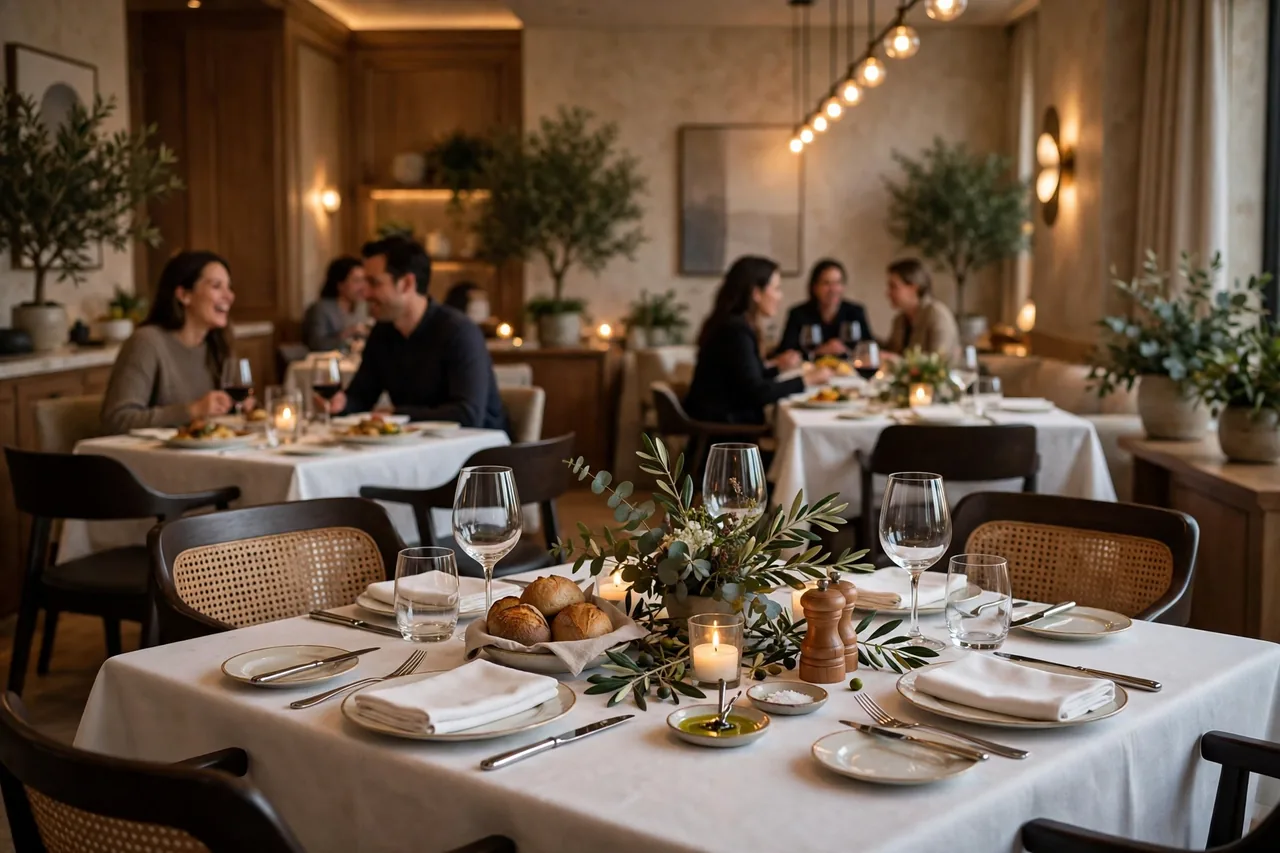
You cannot hold a serious conversation in a room where you have to lean in and shout. Before booking an unfamiliar restaurant, check reviews specifically for noise complaints, and avoid open-plan dining rooms with hard floors and music designed for energy rather than conversation. Ask for a corner table or a booth when you reserve; both offer a sense of privacy without a private room’s price tag. For groups larger than six, a small private dining room is often worth it, since a long table in a main room makes cross-table conversation nearly impossible. Lighting matters too: you want to read the menu and your guest’s expressions comfortably, not squint under spotlights or strain in candlelit darkness.
Read the Menu Like a Host
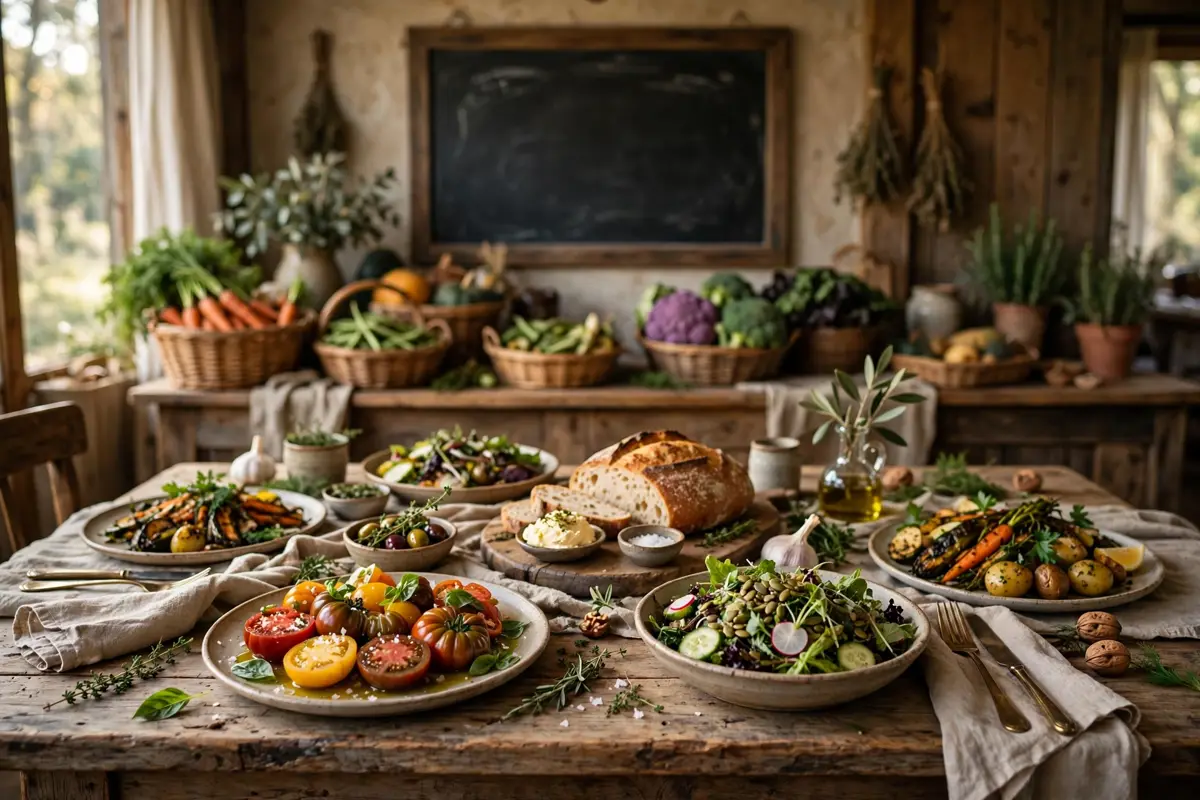
The menu is where many business dinners quietly go wrong. Look for a menu with enough range that every guest can find something they genuinely want: a couple of vegetarian options, dishes that are not heavily spiced for cautious palates, and food that can be eaten gracefully. Avoid restaurants built around messy, hands-on eating — shellfish towers, giant ribs, and build-your-own anything are risky when someone is wearing a suit and discussing a contract. Prices should be comfortable for the host’s budget without making the guest feel they must order cheaply. If the menu confuses you, our restaurant menu terms explained guide explains common terms so you can order with confidence, and the restaurant tipping guide guide will help you handle the end of the meal gracefully, since the host always pays and the tip should never become a table discussion. If your guest cares about sourcing, a farm-to-table restaurant is a quietly impressive choice, since the story behind the food gives the table something interesting to talk about. And because dinner conversation is a performance of its own, the techniques in public speaking tips transfer surprisingly well to keeping a table engaged.
Service Style Makes or Breaks the Evening
Great business-dinner service is attentive but almost invisible. You want water glasses filled without interruption, courses paced so conversation flows, and a server who reads the table and knows when to step back. Restaurants known for rushed turnover — where the check arrives before dessert is discussed — are poor choices for relationship building. If you can, visit once before the important dinner, or send a colleague whose judgment you trust. Mention when booking that it is a business dinner; experienced restaurants will seat you accordingly and brief your server.
Dietary Needs and Cultural Awareness
Ask about dietary restrictions in advance, casually and without fuss: a simple “Is there anything you don’t eat?” when confirming the meeting saves awkward moments at the table. Choose restaurants that handle common requirements well, whether that is halal, kosher, vegan, or allergy-conscious cooking. Be thoughtful about alcohol as well. If your guest does not drink, a wine-obsessed restaurant sends the wrong signal; if you do order wine, let the guest’s pace set yours, and never let the dinner become a drinking session. The goal is for your guest to leave feeling respected, not managed.
Timing the Conversation Around the Meal
Even in the perfect restaurant, pacing matters. Let the first part of the evening be social: order drinks, settle in, and talk about anything except the deal. Most experienced hosts raise the business topic after the main course is ordered or once plates are cleared, when everyone is relaxed and the practical part of the meal is handled. If the dinner is a negotiation, avoid putting your most sensitive point on the table while your guest is mid-bite or while the server is present; wait for the natural pauses. And watch the clock kindly — a weeknight business dinner that ends by ten leaves a far better impression than one that drags on. When the conversation has achieved its purpose, signal the close warmly rather than letting the evening fade out.
A Short Checklist Before You Book
Confirm the purpose of the dinner and match the restaurant’s mood to it. Pick a location that is convenient for your guest, with parking sorted. Check noise levels in reviews and request a corner table or booth. Read the full menu online for range, prices, and graceful-to-eat dishes. Note dietary needs and plan around them. Reserve under your name, arrive early, and settle the payment arrangement discreetly — many hosts hand a card to the server before the guest arrives so the bill never reaches the table. Follow these steps, and the restaurant quietly does its half of the work: your guest relaxes, the conversation deepens, and the business gets done.