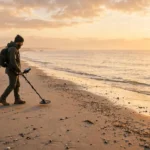
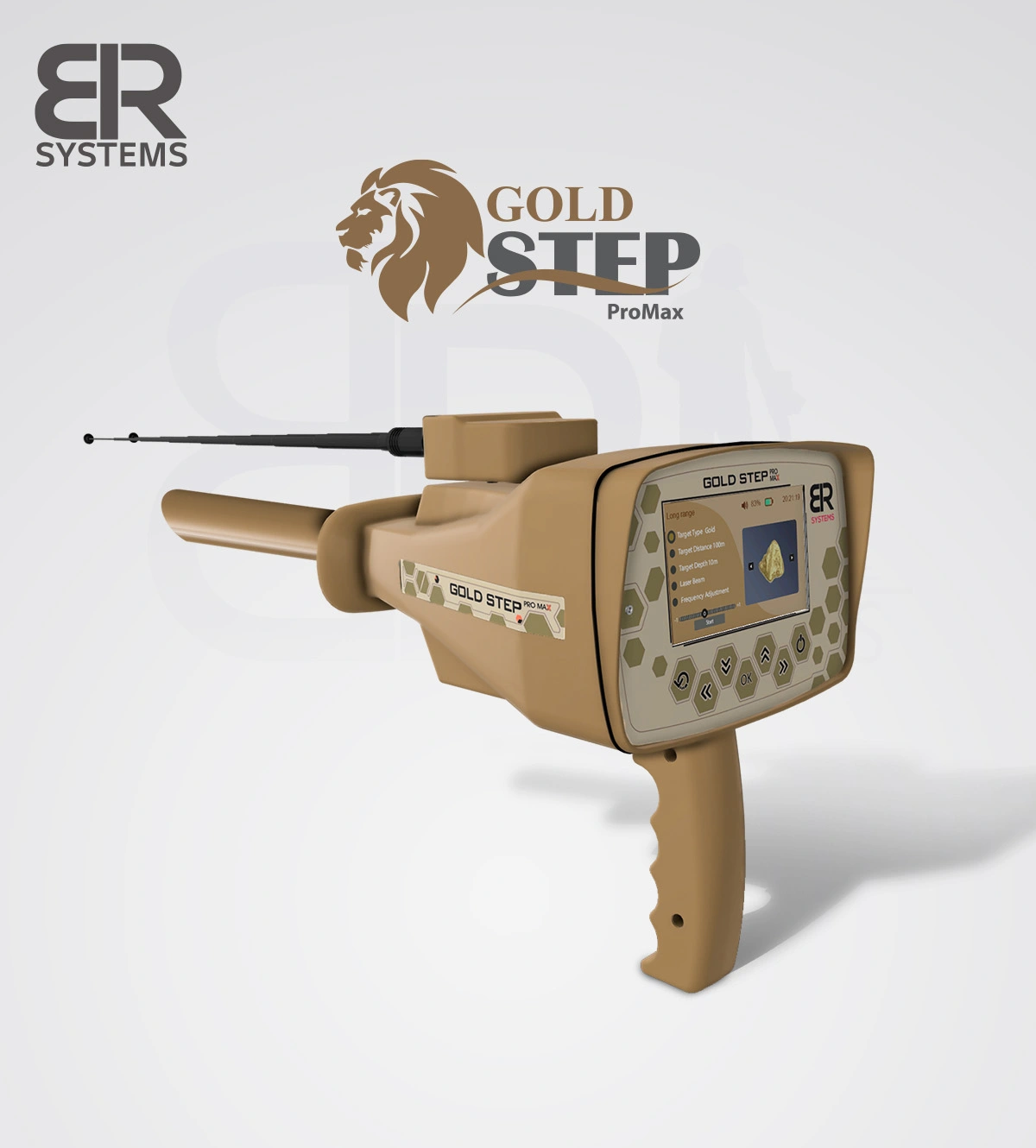
There is a particular kind of excitement that comes with your first real find — a coin, a button, maybe an old key — pulled from ground that hundreds of people have walked over without noticing. Metal detecting for beginners starts with exactly that moment, and the good news is that getting there takes less money and less technical knowledge than most people expect. What it does take is the right first detector, a basic understanding of how detecting works, and permission to search the land you are standing on. This guide walks through all three, so your first outing is a success rather than a frustration.
What Metal Detecting Actually Involves
At its simplest, metal detecting is searching the ground with an electronic detector that signals when metal is buried beneath the surface. Hobbyists search beaches, parks, farmland, footpaths and old homesteads for coins, jewellery, relics and everyday objects lost over the years. Parks, beaches and open spaces are where most beginners start — roundups like our places to visit in NJ this weekend are full of the kind of ground where a relaxed first hunt fits easily into a day out.
For beginners, the appeal is the mix: it is part outdoor hobby, part history lesson and part treasure hunt. Like trail running for beginners, it rewards patience and consistency far more than expensive gear bought on day one.
The Two Detector Types Beginners Should Know
Almost every entry-level machine you will see uses one of two technologies:
- VLF (Very Low Frequency) — the most common and affordable type. VLF detectors are excellent at telling different metals apart, which means less time digging up bottle tops and nails. They are the right choice for parks, fields and most beaches.
- PI (Pulse Induction) — these ignore the mineralisation in wet sand and salt water far better than VLF machines, making them favourites for beach and underwater detecting. They discriminate poorly between metals, so expect to dig more junk.
For a first detector, a VLF machine with a waterproof coil covers the widest range of situations. Many beginners start on dry sand at beaches like those in our guide to places to visit in Pensacola Beach, where coins and jewellery are lost constantly and the digging is easy.
Features That Actually Matter
Specification sheets are full of numbers, but for metal detecting for beginners, five features matter more than everything else combined:
- Discrimination — the ability to reject iron and foil so you dig fewer worthless targets.
- Ground balance — automatic ground balance is fine for beginners; it keeps the detector stable in mineralised soil.
- Target ID numbers — a simple numeric scale that hints at what is under the coil before you dig.
- Weight — you will swing this machine for hours. Anything much over 1.3 kg becomes tiring.
- Waterproof coil — lets you search wet sand, stream edges and shallow water where finds concentrate.
Multiple search modes, wireless headphones and depth indicators are nice extras, but none of them find metal that good technique misses.
How Much Should a Beginner Spend?
A capable first detector from a known brand typically costs between the price of a nice dinner out and a weekend trip — roughly the entry-to-mid range of any brand’s line-up. Spending far less usually buys a toy that beeps at everything and teaches nothing; spending far more buys features a beginner cannot yet use. A sensible approach is to buy the best entry-level machine from an established manufacturer, use it for a full season, and upgrade only when you know which style of detecting you enjoy most. Second-hand machines from reputable dealers are also a smart route, as detectors hold up well and many are sold nearly new.
Where You Can Detect — and Where You Cannot
This is the part beginners most often get wrong. You need permission from the landowner for any private land, without exception. Public beaches and some public parks allow detecting, but rules vary by town and country, and protected historic sites, battlefields and archaeological areas are off limits almost everywhere. Some countries require permits or licences, and finds of historical significance may need to be reported by law.
The rule is simple: check the rules for the exact place before you go, and leave every site cleaner than you found it. Fill your holes, take your rubbish with you, and you will be welcome back. Countryside trips like those in our Cotswolds winter guide show the kind of farmland and footpath country where — with the farmer’s permission — detecting can be superb.
Essential Accessories Worth Having
A detector alone is not quite a kit. Add a digging tool suited to your ground (a trowel for parks, a sand scoop for beaches), a finds pouch, gloves, and headphones — headphones extend battery life and let you hear faint signals others miss. A pinpointer, a small handheld probe that locates the target inside the hole, is the one accessory most beginners wish they had bought sooner. Families often find detecting pairs well with a day out; our list of places to visit in Oregon with kids is full of parks and open spaces where a first family hunt fits naturally into the day.
Your First Hunt, Step by Step
Start somewhere easy: a beach above the waterline or a well-used park. Turn the sensitivity up until the machine becomes unstable, then back it off slightly. Swing the coil low and slow, overlapping each sweep by half, and walk in straight lines rather than wandering. When you get a clear, repeatable signal from two directions, pinpoint it, cut a neat plug or scoop of sand, and check the hole again before filling it. Expect your first sessions to produce mostly coins, foil and the occasional surprise — that ratio improves quickly as your ears learn the tones.
Looking After What You Find
Part of the hobby’s unwritten code is treating finds with respect. Coins and relics that come out of the ground are often more fragile than they look — clean them gently with water and a soft brush only, and never polish, scrub or apply chemicals to anything that might be old or valuable; aggressive cleaning can destroy most of an item’s historical and monetary value in seconds. Photograph interesting finds where they lay before you lift them, record the location, and store pieces separately so they do not scratch each other. If you are lucky enough to find something that looks genuinely historic, check your local reporting rules before you do anything else — in many places that is a legal duty, not just good manners.
Common Beginner Mistakes
The classic errors are swinging too fast, running sensitivity too high, giving up on a good location after one quiet hour, and detecting without permission. Avoid those four and you are already ahead of most first-season hobbyists. Keep a simple log of where you searched and what you found; patterns emerge faster than you expect, and the log becomes a map of where to return.
Metal detecting rewards exactly the qualities beginners already have: curiosity and free time outdoors. Choose a sensible first machine, learn its sounds, respect the rules, and the hobby tends to take care of the rest.