Good food can be ruined by an awkward evening, and an ordinary meal can be lifted by a table that knows what it is doing. Restaurant etiquette is not about stiff rules or impressing anyone — it is the set of small courtesies that help the kitchen, the staff and everyone at your table have a better night. Most of it is common sense, but a few conventions still catch people out, from who orders first to what to do when a dish arrives wrong. This guide covers the restaurant etiquette that still matters, in the order your evening actually unfolds.
Booking and Arriving
Good manners start before you sit down. Book ahead for anywhere popular — our restaurant reservation tips explain how to secure the table you actually want — and if your plans change, cancel as early as you can. A table held for a no-show is a real cost to a small business. Arrive on time; if you are running more than ten minutes late, phone ahead. And if your party shrinks or grows, say so when you arrive rather than letting the staff discover it at the door.
Groups, Children and Shared Plates
Larger tables have their own etiquette. If you are organising a group, confirm final numbers the day before and arrive first — a table of ten with three people missing holds up the kitchen and the room. With children, the courtesy is timing: early sittings suit everyone, and a child who is finished and restless is a signal to wrap up rather than order another round. For shared plates and family-style dishes, serve others before yourself, take a modest first portion until everyone has had some, and never reach across the table when a polite request works just as well. None of this is formality for its own sake; it is how a table of mixed appetites and attention spans still has a relaxed evening.
Phones, Seating and the First Ten Minutes
The single biggest modern breach of restaurant etiquette is the phone on the table. Keep it in your pocket or bag, on silent, and resist photographing every course unless your companions genuinely enjoy that. If you must take an urgent call, step away from the table.
When you sit, put your napkin on your lap once the host or first guest does. Keep bags off the table, elbows off while eating, and wait until everyone is served before starting — unless the table agrees otherwise for a dish that would go cold. These are small things, but they set the tone for the whole meal.
Ordering with Confidence
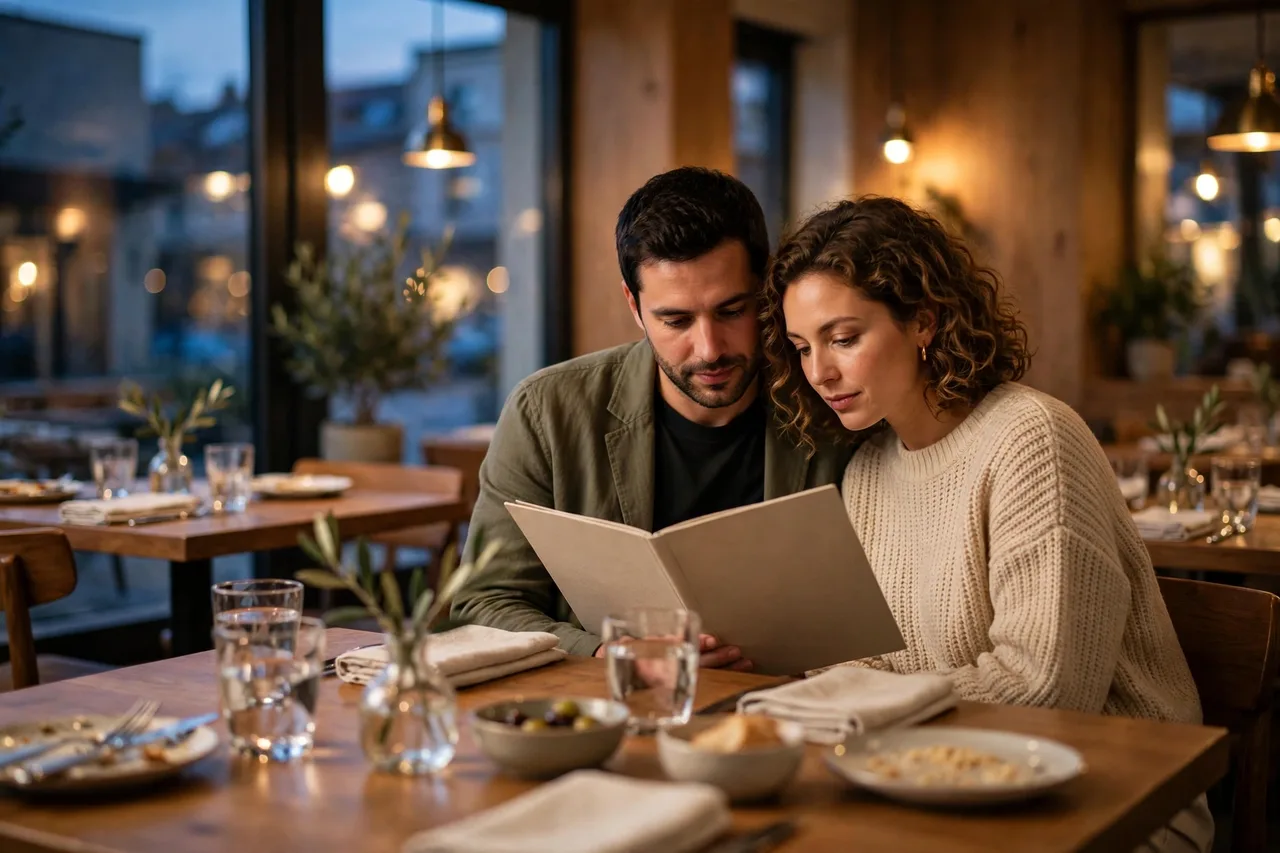
Menus are easier than they look once you know the vocabulary; if terms like amuse-bouche or prix fixe slow you down, our explainer on restaurant menu terms will have you reading any menu with confidence. Order clearly, make eye contact with your server, and ask questions — staff would far rather explain a dish than remake it. If you have allergies, say so plainly and early; that is information, not fussiness.
One convention that survives for a reason: the host or the person who invited the group usually orders last and handles the bill conversation. If you are the guest, follow the host’s lead on price range — ordering the most expensive item on someone else’s invitation is the oldest etiquette mistake in the book.
How to Treat the Staff
Servers are professionals doing a physical, pressured job. Use names if they offer them, do not click, wave or shout across the room, and stack your finished plates only if it genuinely helps — in formal settings, leave them as they are. If service is slow, remember the delay is rarely your server’s fault; kitchens back up, and the person at your table is the messenger, not the cause.
At celebrated dining rooms — the kind profiled in our visit to Restaurant Meissl & Schadn in Salzburg — the same basics apply. Fine dining staff are not testing you; they are trying to pace your evening well.
Tipping and Splitting the Bill
Nothing ends a good dinner more clumsily than a long argument over the bill. Agree how you will split it before the cheque arrives, and keep the maths away from the table where possible. Tipping customs differ widely by country — in some places service is included, in others your tip is a real part of staff income — so check the local norm before you travel; our restaurant tipping guide breaks down how much to tip and when. Whatever the custom, a poor experience is a reason to speak to a manager, not to silently punish the server.
Special Requests and Dietary Needs
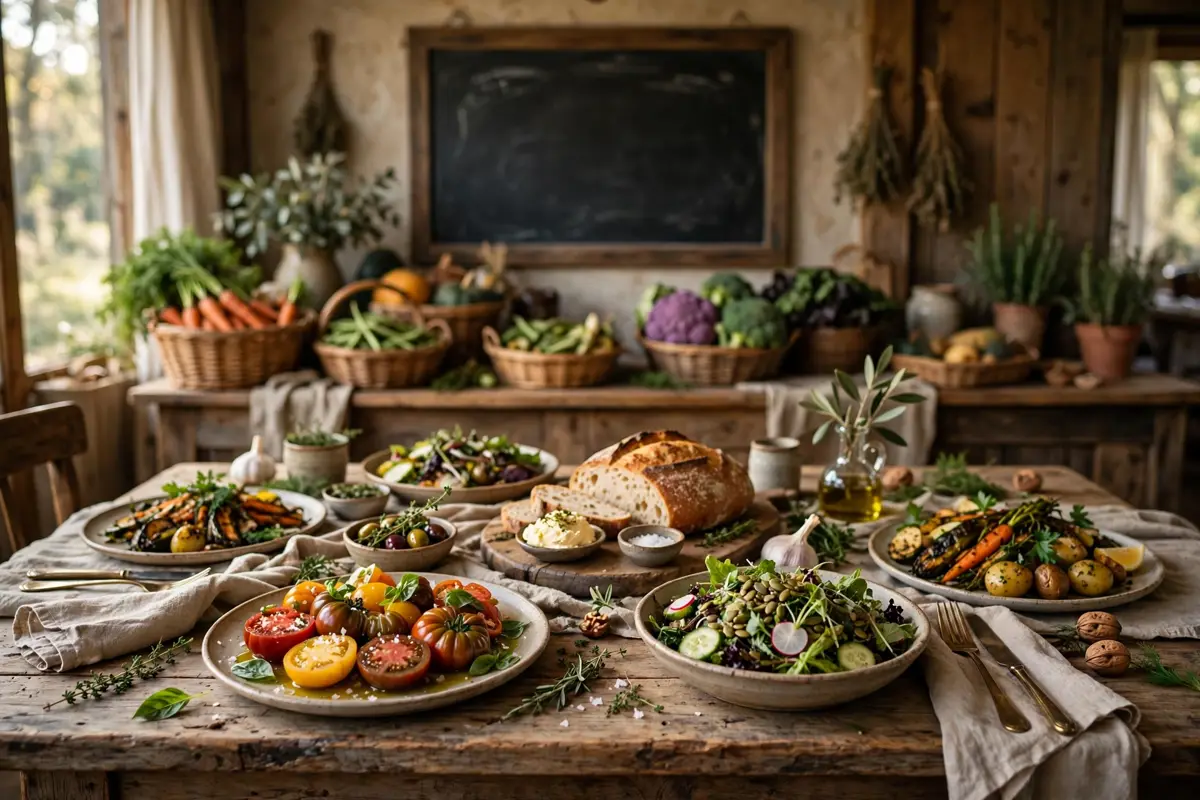
Vegetarian, vegan, gluten-free or simply curious about sourcing — all are normal requests now. The etiquette is about timing: mention dietary needs when you book, not when the food lands. If a restaurant promotes a philosophy such as farm-to-table cooking, it is fine to ask what that means in practice; our piece on farm-to-table restaurants explains how to spot the genuine ones. Asking thoughtful questions signals interest; demanding off-menu inventions on a busy Saturday signals the opposite.
When Something Goes Wrong
Cold soup, the wrong steak, a long wait — it happens. The etiquette-approved approach is quiet, early and specific: catch your server’s eye, explain the problem once, and let them fix it. Most restaurants would rather remake a dish than have you sit unhappy. Complaining loudly, reviewing mid-meal or waiting until the end to list grievances helps nobody. If the fix is handled gracefully, acknowledge it — a thank-you costs nothing and is remembered.
Dress Codes and Special Occasions
Dress codes have relaxed almost everywhere, but “relaxed” is not the same as “absent”. If a restaurant publishes a code — no sportswear, smart casual, jackets preferred — follow it or choose somewhere else; arguing at the door helps nobody. When no code is stated, match the room: a white-tablecloth dining room and a beachside grill ask different things of you, and being slightly overdressed is always safer than the reverse. For celebrations, tell the restaurant when you book that it is a birthday or anniversary. Most kitchens enjoy marking an occasion, and a quiet word in advance beats a surprise announcement mid-service every time. If you are bringing a cake or decorations, ask first — some places charge a small serving fee, and all of them appreciate knowing.
The Last Ten Minutes
Finish as you started: considerate. Do not linger for an hour over empty glasses when the restaurant is clearly closing or turning tables, and if you have enjoyed the evening, say so on the way out — or leave a fair, specific review that mentions dishes and people by name. Restaurant etiquette, in the end, is just awareness that a meal is a shared production. Play your small part well and everyone eats better.